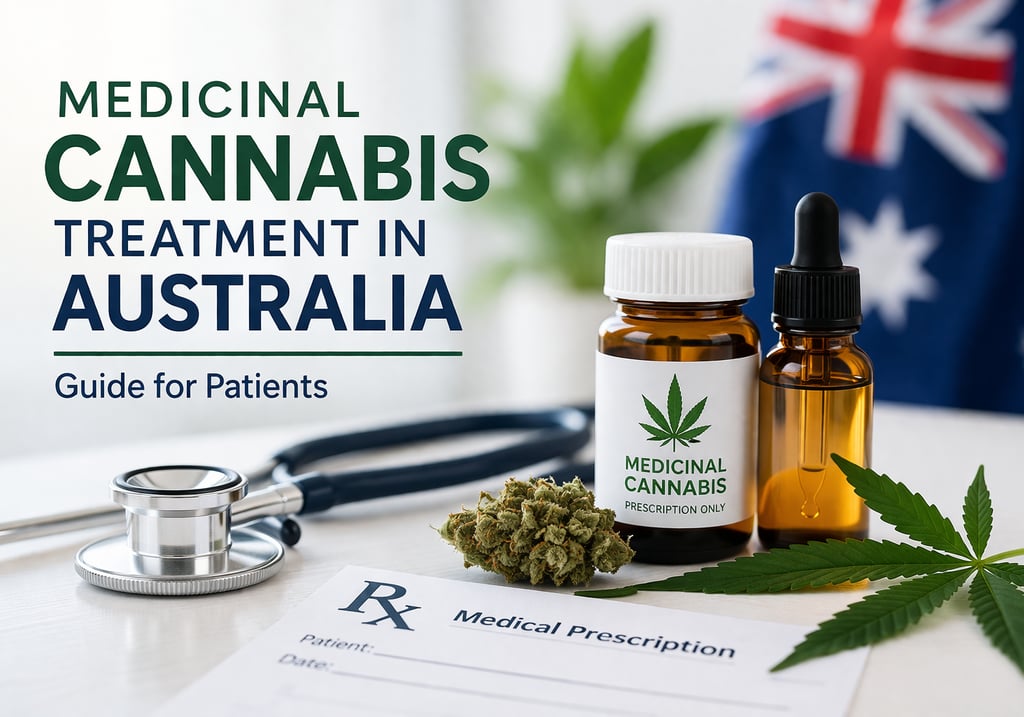
Medicinal Cannabis Treatment in Australia Guide for Patients
Navigating treatment options can feel overwhelming, especially when conventional therapies have not provided the relief you were hoping for. In recent years, medicinal cannabis has emerged as a doctor-guided, evidence-informed option for certain patients across Australia. Understanding how this treatment works, who it may help, and how it is accessed is essential before considering it as part of your care plan.
CANNABIS TREATMENT
3/1/20263 min read
Learn About Treatment for Cannabis Patients
Navigating treatment options can feel overwhelming, especially when conventional therapies have not provided the relief you were hoping for. In recent years, medicinal cannabis has emerged as a doctor-guided, evidence-informed option for certain patients across Australia. Understanding how this treatment works, who it may help, and how it is accessed is essential before considering it as part of your care plan.
What Is Medicinal Cannabis Treatment?
Medicinal cannabis refers to pharmaceutical-grade products derived from the cannabis plant, prescribed by qualified doctors for specific medical conditions. These treatments contain active compounds such as cannabinoids, primarily THC (tetrahydrocannabinol) and CBD (cannabidiol), which interact with the body’s endocannabinoid system. This system plays a role in regulating pain, mood, sleep, and immune response.
Unlike recreational cannabis, medicinal cannabis is carefully formulated, standardised, and prescribed under strict medical supervision to ensure safety, consistency, and appropriate therapeutic use.
Who May Benefit from Medicinal Cannabis?
Medicinal cannabis is not considered a first-line treatment. It is generally explored when standard therapies have not been effective or have caused unwanted side effects. Doctors may consider it for patients experiencing:
Chronic pain that does not respond to conventional medications
Anxiety and related mental health concerns
Sleep disorders such as insomnia
Neurological conditions, including epilepsy or multiple sclerosis
Symptoms related to cancer treatment, such as nausea or loss of appetite
Each patient is assessed individually, as suitability depends on medical history, current medications, and overall health.
How Does the Treatment Work?
Cannabinoids interact with receptors in the brain and body to help regulate various physiological processes. For example, CBD is often associated with calming and anti-inflammatory effects, while THC may help with pain relief and appetite stimulation.
Treatment is highly personalised. Doctors determine the appropriate product type, dosage, and method of administration based on the patient’s condition and response. Options may include oral oils, capsules, or other regulated forms designed for medical use.
Is Medicinal Cannabis Legal in Australia?
Yes, medicinal cannabis is legal in Australia when prescribed by an authorised doctor. Access is regulated through pathways approved by the Therapeutic Goods Administration (TGA). Most medicinal cannabis products are not listed on the Australian Register of Therapeutic Goods, which means they are accessed through special approval schemes.
Patients cannot obtain medicinal cannabis over the counter. A doctor must assess your condition, determine clinical suitability, and apply for approval if necessary.
What to Expect During the Consultation Process
A consultation for medicinal cannabis treatment is similar to any other medical assessment but with a focused discussion on your symptoms, treatment history, and goals of care. Your doctor will:
Review your medical history and previous treatments
Evaluate whether medicinal cannabis is clinically appropriate
Discuss potential benefits, risks, and side effects
Develop a personalised treatment plan if suitable
Ongoing follow-up is an important part of care. Doctors monitor your progress, adjust dosages if required, and ensure the treatment remains safe and effective.
Are There Any Risks or Side Effects?
Like any medical treatment, medicinal cannabis may have side effects. These can include fatigue, dizziness, dry mouth, or changes in appetite. Products containing THC may also affect concentration or coordination in some patients.
This is why treatment must always be guided by a qualified healthcare professional. Careful dosing and regular monitoring help minimise risks and improve outcomes.
A Patient-Centred Approach to Care
At MediLeaf Health, the focus is on providing a structured, doctor-led pathway for patients exploring medicinal cannabis. The goal is not simply access, but informed, responsible, and personalised care. Every patient’s journey is different, and treatment decisions should always be made with clarity, support, and professional guidance.
Final Thoughts
Medicinal cannabis represents a growing area of modern healthcare, offering new possibilities for patients who have not found relief through traditional treatments. While it is not suitable for everyone, it may provide meaningful support when prescribed and managed appropriately.
If you are considering this treatment, the first step is a professional consultation where your individual needs and medical history can be carefully evaluated. Informed decisions lead to better outcomes, and the right guidance makes all the difference.